Our mission is to help athletes find the best gear and supplements. We only recommend products we’ve tested or researched deeply. If you buy through our links, we may earn a commission at no extra cost to you. This helps us keep RealSports running. Learn more >
WHEY PROTEIN
Whey protein has a long history that reaches back thousands of years to the earliest days of medicine and nutrition. Whey, the watery liquid that separates from milk during cheese making, was originally considered a byproduct. In ancient times, few understood its value beyond feeding livestock or as waste from cheese production. However, some early physicians recognized its worth.
Early Medical Use
Around 460–370 BCE, Hippocrates, often called the “father of medicine,” recommended whey for his patients to support digestion, vitality, and recovery from illness. This is one of the first recorded uses of whey for health, showing that even ancient healers valued its nutritional potential. Shortly after, Galen in ancient Rome also advocated whey for its health benefits. For much of history, however, whey’s health properties stayed localized to regions like Greece, Rome, and later Europe. In the 17th to 19th centuries, whey was consumed in “whey spas” and health establishments in places like Switzerland and Germany. People believed the drink could boost strength and improve health, and they traveled specifically to consume whey for therapeutic purposes.
From Byproduct to Powder
Modern scientific interest in whey began in the mid-1900s as nutrition science advanced. Researchers discovered the unique protein composition of whey – rich in essential amino acids and easily digestible – which set the stage for its transition into nutritional products. However, whey in liquid form spoils quickly, making it impractical for widespread use. The real breakthrough came in the 1970s with filtration technologies like ultrafiltration and microfiltration, which made it possible to isolate and powder whey into more stable, high-protein products. This technological change transformed whey from a cheese industry waste into a commercial protein supplement.
Whey Protein in the Healthcare Industry
Once whey powder became practical, its applications expanded beyond athletics. The healthcare industry began to recognize whey protein as a nutritional tool, especially for people with increased protein needs. Whey protein’s rapid digestibility and rich amino acid profile made it valuable in clinical nutrition. Dietitians and doctors began including whey protein in diets for:
Patients recovering from surgery or illness, where protein needs are higher to rebuild tissues.
Older adults, to help prevent sarcopenia (age-related muscle loss).
Individuals with malnutrition, to provide concentrated nutrition in a small, easy-to-consume form.
Special populations, including conditions like HIV or cancer, where protein requirements can be elevated.
Whey protein’s use in clinical or healthcare settings reflects its general safety and effectiveness as a nutrient source when whole-food intake might be insufficient.
Athletes and Whey Protein
The sport and fitness world was one of the fastest adopters of whey protein powder. As bodybuilders and strength athletes in the 1970s and 1980s looked for effective ways to build muscle and accelerate recovery, whey protein became a staple supplement.Whey is particularly high in branched-chain amino acids (BCAAs) such as leucine, isoleucine, and valine. These amino acids play a crucial role in stimulating muscle protein synthesis — the process by which muscles repair and grow after exercise. Because it digests quickly, whey protein supplies amino acids to the bloodstream faster than many other protein sources. This makes it ideal after workouts when muscles are primed to receive nutrients. Research has shown that combining whey protein with resistance training enhances muscle growth more effectively than training alone.
Mainstream Fitness Adoption
By the 1980s and 1990s, fitness culture and bodybuilding magazines helped popularize whey protein supplements. Athletes began to use them routinely to meet their daily protein targets — a key factor in performance, recovery, and body composition goals. Today, whey protein is found not only in athletic nutrition but also in everyday health products, meal replacements, and protein-fortified foods.
Benefits of Whey Protein
Whey protein offers a range of benefits that explain why it’s widely used in both healthcare and athletic communities. Whey protein contains all nine essential amino acids, making it a complete protein. These amino acids must come from food because the body cannot produce them. Due to its rich leucine content and fast digestion, whey protein is very effective at stimulating muscle synthesis and supporting strength gains when paired with resistance training.After intense exercise, muscle fibers need nutrition to repair. Whey protein delivers amino acids quickly, which can reduce muscle soreness and improve recovery time between workouts. Protein is more satiating than carbohydrates or fats. Whey protein in a balanced diet can help people feel fuller and support healthy weight management by reducing overall calorie intake at meals. Some research shows whey protein may support aspects of immune function and metabolic health, like helping regulate blood sugar levels in people with type 2 diabetes. Not all whey protein powders are created equal. The biggest differences come from protein purity, processing, label accuracy, and added ingredients.
1. Protein Content and Form
Whey Protein Concentrate (WPC): Contains lower protein percentage (often 70–80%) and more lactose and fat. This is usually cheaper.
Whey Protein Isolate (WPI): Has higher protein content (90%+), low lactose and fat, and is more suitable for lactose-sensitive individuals. It is more expensive.
Whey Protein Hydrolysate (WPH): Pre-broken down, easier to digest, and often used in clinical products. Typically the most costly.
2. Purity and Additives
Cheap whey powders often include fillers, excess sugars, flavoring agents, or low-quality protein sources. They may also be mislabelled regarding protein content, with laboratory analysis revealing lower actual protein and higher carbohydrates than claimed.
3. Source and Processing
Good quality whey comes from reputable dairy sources and uses advanced filtration methods that preserve the integrity of protein fractions. Poor quality whey might come from lower grade milk or use harsh chemical processes that damage proteins.
4. Third-Party Testing
High-quality products are often tested by independent labs or certifications to ensure label accuracy and absence of contaminants. Cheap powders may lack this transparency.
Whey protein has evolved dramatically from an ancient medical remedy to a modern nutritional staple. Its journey started with early physicians like Hippocrates, passed through health spas and therapeutic use in Europe, and eventually entered mainstream healthcare and athletic nutrition with the advent of filtration and processing technologies in the mid-20th century. Today, whey protein is recognized for its complete amino acid profile, muscle-building benefits, and broad health applications. Yet, consumers must distinguish between cheap products with low protein quality and reputable brands that offer high-purity whey. Given the importance of protein in health and fitness, choosing the right whey supplement is essential for maximum benefit.


Origins of The Most Hyped Protein Powder
The whey protein market has grown rapidly over the last decade. Today, hundreds of brands sell whey protein powders, and almost every company claims to offer “premium,” “pure,” or “high-quality” whey. This has created confusion among consumers, especially beginners, who struggle to understand whether one brand is truly better than another or if the differences are just marketing.
Most whey protein brands use similar language on their labels: terms like grass-fed, ultra-filtered, fast absorbing, or clinically tested. While some brands genuinely follow high standards, others rely heavily on branding rather than substance. The truth is that whey protein itself is a standardized dairy product, and many manufacturers source their raw whey from the same global suppliers. Because of this, two brands may advertise very different images while selling whey protein that is not drastically different in basic nutritional value. Marketing, packaging, and influencer endorsements often create the illusion of superiority, even when the protein source is similar.
Although branding can be misleading, real differences do exist. These differences usually come down to processing, purity, and transparency, not flashy claims. High-quality whey proteins typically have:
Higher protein percentage per scoop
Lower sugar, fat, and filler content
Clear labeling and third-party testing
Better digestibility and mixability
Cheaper whey proteins may contain:
More fillers or amino spiking
Lower actual protein content than claimed
Excess artificial flavors and sweeteners
Poor filtration methods
However, even a basic whey protein can still support muscle recovery if it meets minimum protein requirements and is used correctly.
A common mistake is believing that switching brands will automatically bring better results. No whey protein can replace proper training, sleep, and nutrition. Muscle growth and fat loss depend far more on consistent exercise and disciplined lifestyle habits than on the brand name printed on the tub. Many people keep changing supplements instead of fixing the real issue: irregular workouts, poor diet, or lack of patience. Whey protein is only a support tool, not a shortcut.
Why Consistency Matters More Than Brand Choice
Results in fitness come from repeating the basics over time. Regular resistance training, adequate protein intake, proper rest, and hydration matter far more than whether a whey protein is labeled “elite” or “advanced.” A person using an average whey protein consistently for six months, while training properly, will see better results than someone using an expensive brand without discipline. Consistency allows the body to adapt, recover, and grow. Supplements only help when they are part of a routine, not when they are treated as solutions.
Making a Smart Choice. Instead of chasing brands, consumers should focus on:
Reading nutrition labels carefully
Checking protein per serving
Avoiding unrealistic claims
Choosing a product they can afford long-term
A sustainable supplement choice combined with consistent training will always outperform short-term hype.
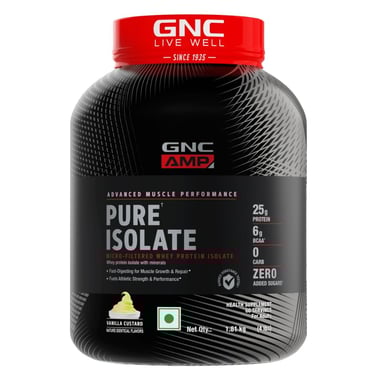
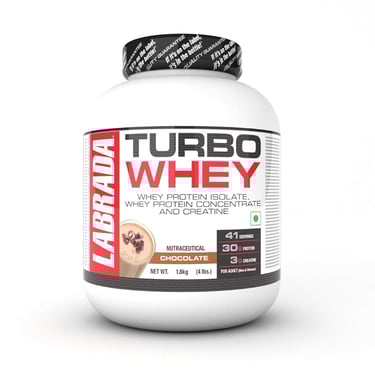
The Whey Protein Brand Confusion ?



Whey Protein Helps the Body Recover Faster From Daily Stress, Not Just Gym Workouts
Most people think whey protein is only for bodybuilders, but its real value goes far beyond muscle size. Everyday life puts stress on the body — long working hours, poor sleep, travel, physical labor, and mental fatigue all break down muscle tissue and strain recovery systems. Whey protein provides the body with fast-absorbing amino acids that help repair this daily wear and tear.
When the body does not recover properly, people feel tired, sore, and weak even without intense exercise. Whey protein supports recovery by supplying essential amino acids quickly, which helps the body rebuild tissues, support joints, and reduce prolonged soreness. This makes it useful for office workers, laborers, and older adults alike.
Another reason whey stands out is digestion speed. Unlike many heavy foods, whey protein is light on the stomach and does not require long digestion time. This means nutrients reach the muscles and tissues faster, improving recovery efficiency. For people who feel drained or physically worn down, whey protein can quietly support the body’s natural repair process and improve overall energy levels when used consistently.
Whey Protein Helps Control Appetite and Cravings in a Natural Way
One of the most overlooked benefits of whey protein is its ability to help control hunger. Many people struggle with frequent cravings, overeating, or sudden drops in energy, especially when meals are irregular. Whey protein helps address this by promoting a feeling of fullness and stabilizing appetite.
Protein takes longer to digest than carbohydrates, which helps slow down hunger signals. Whey protein also influences hormones that regulate appetite, making people feel satisfied for longer periods after consumption. This can naturally reduce the urge to snack on junk food or sugary items between meals.
For people trying to manage weight or improve eating habits, this benefit is extremely valuable. Instead of forcing strict diets, adding whey protein to a daily routine can support better portion control and meal discipline. It works quietly in the background, helping people stay consistent without feeling deprived.
Because whey protein mixes easily and can be consumed quickly, it fits well into busy lifestyles. Whether taken in the morning or between meals, it helps people stay full, focused, and less tempted by unhealthy food choices.
Whey Protein Supports Muscle Strength Even Without Extreme Training
Many people avoid whey protein because they believe it is only useful for intense gym training. In reality, whey protein helps maintain and strengthen muscles even with moderate or basic physical activity. This is especially important as muscle loss naturally begins with age and inactivity.
Muscle strength is essential for daily movement, posture, balance, and joint health. Whey protein supplies essential amino acids, especially leucine, which plays a key role in preserving muscle tissue. This helps reduce muscle breakdown and supports strength over time, even with light exercise like walking, stretching, or home workouts.
For beginners, whey protein helps the body adapt better to new physical routines. For older adults, it supports muscle maintenance and reduces weakness. Unlike many supplements that promise extreme results, whey protein works gradually and reliably when combined with regular movement.
This makes whey protein a practical choice for common people who want to stay active, strong, and mobile — not just for athletes. Consistency matters more than intensity, and whey protein supports that long-term foundation.
Some of Our Trusted Recommendations in Whey Protein
At RealSports.site, our recommendations are not based on trends, hype, or paid promotions. We are a dedicated team that works closely with professional athletes, strength trainers, martial artists, and nutrition experts, covering a wide range of training styles — from powerlifting and bodybuilding to combat sports and endurance training. Across all these disciplines, one factor remains constant: recovery. Training breaks the body down; recovery builds it back stronger. That is why whey protein plays an important role in any serious training routine. The products we recommend are selected after careful consideration of protein quality, digestibility, ingredient transparency, and real-world results. We understand that not all whey proteins are the same. Marketing claims can be misleading, and many products focus more on branding than performance. Every whey protein listed here is chosen because it supports muscle recovery, helps meet daily protein needs, and fits into consistent long-term training. There is no exaggeration and no nonsense. Just practical recommendations backed by experience, research, and real use. If it appears HERE, it is there because it works — not because it sells.
Disclaimer: The information provided on this website has been carefully researched and tailored to meet the specific needs of the topics discussed. All content has been derived from credible online sources and studied thoroughly to ensure accuracy and relevance. No part of this content has been intentionally copied or plagiarized for the purpose of gaining traffic or misleading readers. We are committed to providing original, well-researched material that adds value to our audience's understanding of the subject matter.






Feel Free to Connect. Be a bigger part of our community. Or DM your HEALTH/ FITNESS issue for the best REAL solution. No Gimmick. Committed to Serve.
Combat Sports / Kickboxing Articles
Reviewed by Marcus Bennett — Kickboxing & Combat Sports Specialist
Technique reviewed by Dr. Marcus Bennett — Sports Science & Kickboxing Expert
Website managed by Tahraj — Nutrition and Health Expert.