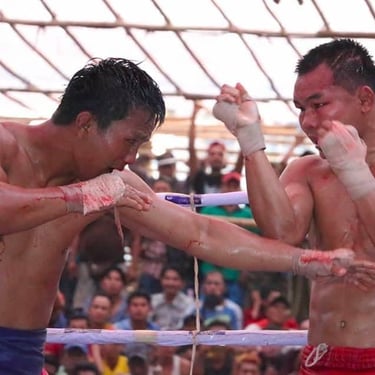
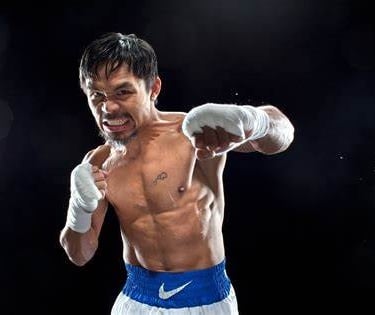
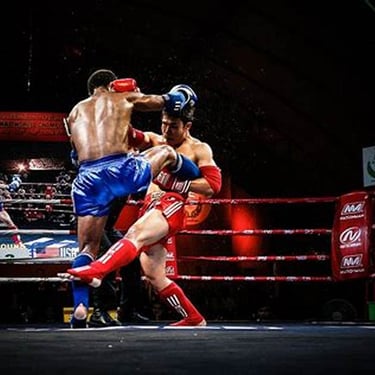
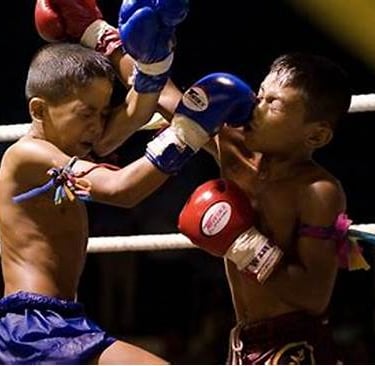
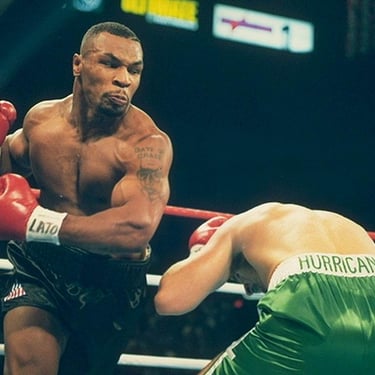
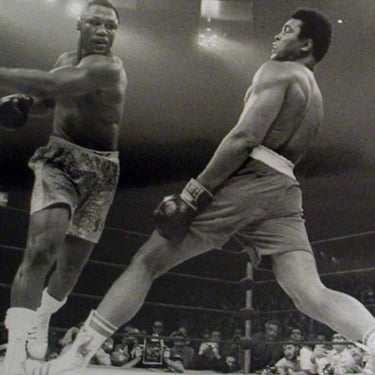

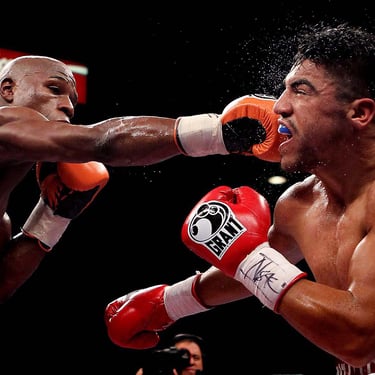
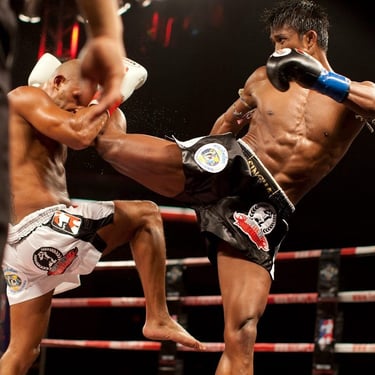
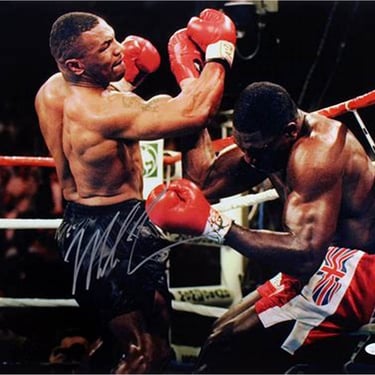
Muay Thai Conditioning: Science Meets Tradition

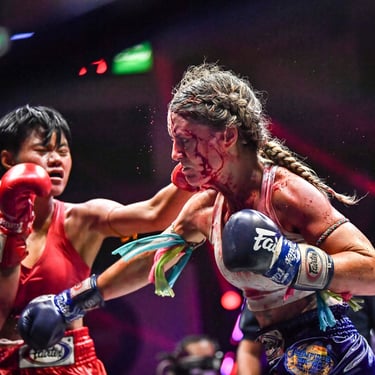
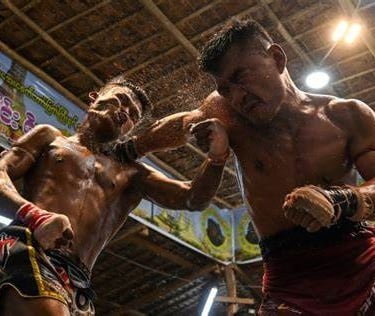
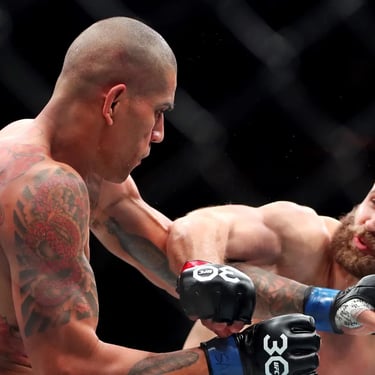
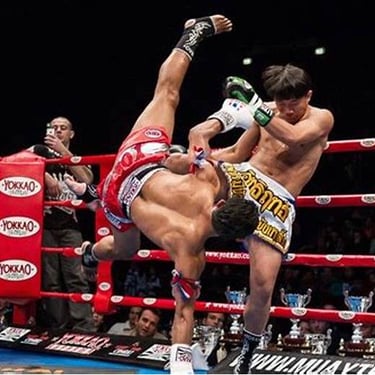
Muay Thai, the ancient art of eight limbs, has transcended its cultural origins to become a globally celebrated fitness phenomenon. Rooted in explosive movements, this combat sport offers scientific benefits for weight loss, lean muscle gain, bone density, endurance, and mental resilience, making it a holistic approach to health and fitness.

Muay Thai incorporates high-intensity interval training (HIIT), a proven method for rapid calorie burn and fat loss. According to studies, a single hour of Muay Thai can burn up to 1,000 calories, depending on intensity. Repeated striking, kicking, and clinching engage all major muscle groups, promoting hypertrophy and lean muscle development. Over time, the sport not only sculpts the body but also boosts metabolism, amplifying fat loss.

Impact-based training in Muay Thai, such as shin conditioning through bag work, stimulates osteoblast activity, improving bone density. This process fortifies bones, reducing the risk of fractures. Additionally, the aerobic and anaerobic demands of sparring sessions enhance cardiovascular and muscular endurance, enabling practitioners to sustain prolonged exertion with ease.

Muay Thai is not just a physical workout; it’s a test of mental fortitude. The constant push to master techniques under pressure cultivates discipline, focus, and resilience. Practitioners often report increased self-confidence and emotional stability. Moreover, the sport emphasizes explosive power—delivering forceful strikes requires rapid engagement of fast-twitch muscle fibers, significantly improving overall power output.

Visitors to Thailand often immerse themselves in Muay Thai, combining fitness with cultural exploration. Training camps like Tiger Muay Thai in Phuket attract tourists worldwide, offering an authentic experience of rigorous conditioning and Thai traditions. As the locals say, “Muay Thai mai chai kradao phor tua, tae mai mi phua tua dai”—"Muay Thai is not just about the body; it’s also about the mind."

Muay Thai goes beyond being a sport; it’s a scientifically-backed fitness regimen. By integrating weight loss, muscle gain, bone health, endurance, power, and mental discipline, it offers a pathway to holistic well-being. To explore the history and techniques of this martial art, visit Muay Thai - Wikipedia.

Start your Muay Thai journey today and embrace the power of the ancient art of eight limbs for a stronger, leaner, and more resilient you!

Muay Thai for Fitness: The Ultimate Full-Body Workout Trend

         In recent years, Muay Thai, or Thai boxing, has rapidly gained popularity among fitness enthusiasts worldwide. This ancient martial art, rooted in Thailand’s rich history, offers more than just self-defense techniques. It’s a complete workout that combines cardio, strength training, and flexibility, making it a go-to choice for those looking to elevate their fitness levels.

           Muay Thai, often called the “Art of Eight Limbs,” is a combat sport that uses punches, kicks, elbows, and knee strikes. Its origins date back centuries as a method of self-defense and warfare in Thailand. Over time, it evolved into a sport and is now practiced both competitively and recreationally across the globe. The dynamic movements of Muay Thai make it an excellent way to work out the entire body, improve coordination, and build mental resilience.

The Fitness Benefits

             Muay Thai training involves high-intensity drills, such as pad work, sparring, and shadowboxing. These activities boost your heart rate, providing an intense cardio workout that helps burn calories and improve heart health. A single session can burn up to 800 calories, making it an efficient way to shed unwanted fat.

          Unlike traditional weightlifting, Muay Thai uses bodyweight exercises and resistance training. Kicks and punches engage your core, legs, and upper body, while clinching techniques strengthen the arms and shoulders. Over time, you’ll notice increased muscle tone and functional strength.

        Flexibility is a crucial component of Muay Thai. Kicks and knee strikes require a full range of motion, encouraging flexibility in the hips, legs, and lower back. Regular stretching routines incorporated into training sessions further enhance your overall mobility.

            Muay Thai isn’t just about physical fitness; it’s also a mental challenge. Learning techniques, mastering combinations, and sparring demand focus and discipline. Additionally, the intense nature of the workout helps release endorphins, reducing stress and improving your mood.

             The rise of boutique gyms and specialized martial arts studios has made Muay Thai more accessible than ever. Fitness influencers and celebrities have also embraced the sport, showcasing its effectiveness and appeal. Its holistic approach to fitness, combining strength, cardio, and flexibility, makes it a versatile option for people of all fitness levels.

                 Thailand is the birthplace of Muay Thai, and training in this country offers an unparalleled experience. Gyms across Thailand cater to everyone, from beginners looking to learn the basics to professional fighters honing their skills. Training sessions are typically intensive, often lasting two to three hours, and include activities such as:

Warm-ups: Skipping rope, jogging, or dynamic stretching to prepare the body.

Technique Drills: Practicing punches, kicks, elbows, and knee strikes under the guidance of experienced trainers.

Pad Work: Trainers hold pads for students to practice combinations and improve power and accuracy.

Bag Work: Heavy bag training to build endurance and refine techniques.

Clinching Practice: Learning close-range fighting techniques and grappling.

Cool-down: Stretching and mindfulness exercises to enhance recovery.

Tourism Packages

           For those planning a holiday in Thailand, Muay Thai tourism packages are a fantastic way to combine travel and fitness. These packages often include:

Training Sessions: Multiple classes per day tailored to your skill level.

Accommodation: Comfortable stays near the gym, ranging from budget-friendly hostels to luxurious resorts.

Meals: Nutritious meal plans designed to fuel your workouts and support recovery.

Cultural Activities: Opportunities to explore local attractions, such as temples, markets, and traditional Thai cooking classes.

              Popular destinations for Muay Thai training include Bangkok, Phuket, Chiang Mai, and Koh Samui. Each location offers a unique blend of world-class training facilities and stunning scenery.

Choosing the Right Muay Thai Gym

               With so many gyms to choose from, finding the right one can be overwhelming. Here are some tips to help you make the best choice:

                 Read reviews and testimonials from previous students to gauge the quality of training and facilities. Look for gyms with experienced trainers who have a background in competitive Muay Thai.

               Are you looking to improve fitness, learn self-defense, or train for competition? Choose a gym that aligns with your objectives and offers classes suited to your skill level.

                 Ensure the gym is well-equipped with clean training areas, quality gear, and safety measures in place.

             Select a gym close to your accommodation to save time and energy. Some gyms also offer transport services for added convenience.

              Many gyms allow visitors to attend a single session before committing to a package. This is a great way to experience the training style and atmosphere firsthand.

Legendary Trainers

            Behind every great Muay Thai practitioner is a skilled trainer. One such name is Trainer Gae, a renowned coach who has trained numerous fighters and celebrities. Known for his rigorous training methods and unique style, Trainer Gae has inspired many to embrace Muay Thai as a lifestyle. Other notable trainers, such as Buakaw Banchamek, a legendary fighter and coach, have also played significant roles in popularizing Muay Thai globally.

             Muay Thai is more than just a sport; it’s a transformative workout that challenges your body and mind. Whether you’re looking to improve your fitness, learn self-defense, or simply try something new, Muay Thai offers countless benefits. Training in Thailand adds an authentic touch to the experience, allowing you to immerse yourself in the culture and history of this ancient martial art.

                 With a growing number of gyms and tourism packages tailored to international visitors, exploring Muay Thai during your next holiday is easier than ever. Take the leap and experience the art of eight limbs — your fitness journey will never be the same!

Taekwondo Training Techniques and Benefits

Taekwondo, the Korean martial art renowned for its high-flying kicks and intricate patterns, is not just a method of self-defense but a holistic discipline that builds character, confidence, and resilience. This martial art is a lifestyle, a journey that shapes both body and mind. Training in Taekwondo is an immersion into a discipline that fosters physical prowess, mental clarity, and an unwavering sense of self-worth.

At the heart of Taekwondo training are three essential elements: forms (poomsae), sparring (gyorugi), and self-defense techniques (hosinsul). These components intertwine to create a balanced training regimen that develops physical strength, agility, and mental focus.

Forms (Poomsae): Poomsae are predetermined patterns of movements that simulate combat scenarios. They are a test of precision, speed, and power. In every movement lies a story of Taekwondo's history and philosophy. As Korean practitioners often say, "품새는 우리의 전통을 이야기한다" ("Poomsae tells the story of our tradition").

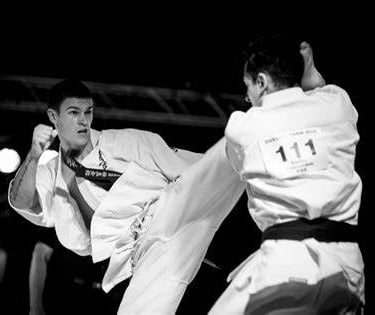
Sparring (Gyorugi): Gyorugi is where theory meets practice. It’s a controlled environment that teaches practitioners timing, strategy, and adaptability. More than physical skills, sparring develops a fighter’s mental acuity under pressure.

Self-Defense Techniques (Hosinsul): Taekwondo goes beyond sport, focusing on practical techniques to protect oneself. Hosinsul emphasizes using an opponent’s force against them, showcasing the art's roots in self-preservation.

Consider the story of Hwang Kyung-seon, an Olympic gold medalist who overcame a serious injury to dominate the international stage. Her story reminds us that Taekwondo is not just about fighting opponents but also about battling inner doubts. She once said, "상처는 나를 더 강하게 만들었다" ("Injuries made me stronger").

Another example is Steven Lopez, the American Taekwondo legend, who trained tirelessly to achieve unprecedented success. His relentless dedication is a testament to the transformative power of Taekwondo.

Taekwondo’s inclusion in the Olympics has solidified its status as a global martial art. It’s practiced in over 200 countries, uniting millions under the banner of respect and discipline. Organizations like the World Taekwondo Federation (WTF) play a pivotal role in maintaining the sport’s integrity and promoting it worldwide.

Taekwondo is more than kicks and punches; it’s a lifestyle that nurtures both the body and the mind. Its training techniques, rooted in centuries-old traditions, offer a path to physical prowess and mental clarity. The benefits—be they in the form of confidence, resilience, or self-discipline—are timeless treasures.

As practitioners around the world lace up their doboks (uniforms) and tie their belts, they carry forward the legacy of this incredible martial art, echoing its core philosophy: **"태권도는 단순한 무술이 아니다. 그것은 삶의

King of Taekwondo

One of the greatest Taekwondo players of all time is Steven López from the United States. He is a two-time Olympic gold medalist (2000, 2004) and a five-time World Champion (2001, 2003, 2005, 2007, 2009). López holds the record for the most World Taekwondo Championship titles in history and is celebrated for his remarkable consistency and longevity in the sport. Known as the "King of Taekwondo," his achievements have inspired generations of athletes worldwide.

The Role of Taekwondo in the Korean Army

Taekwondo, Korea's traditional martial art, is deeply integrated into the training regimen of the Korean Army. Its emphasis on discipline, physical fitness, and mental resilience makes it an essential tool for preparing soldiers for the challenges of modern warfare.

In the military, Taekwondo is more than just a combat skill; it instills focus and builds confidence. Soldiers practice techniques such as strikes, blocks, and self-defense maneuvers that are directly applicable in hand-to-hand combat situations. The rigorous training also fosters teamwork and camaraderie among troops, aligning with the core values of the armed forces. As a common saying in the army goes, "태권도는 정신과 몸을 하나로 만든다" ("Taekwondo unites the mind and body as one").

The Korean Army operates specialized Taekwondo training centers where recruits undergo intense sessions under expert instructors. Additionally, elite units often include Taekwondo demonstrations as part of ceremonial displays, showcasing the martial art’s significance in military tradition. "군인의 마음은 태권도로 단련된다" ("A soldier’s mind is forged through Taekwondo") is a belief widely embraced within the ranks.

By blending physical prowess with mental discipline, Taekwondo remains a cornerstone of the Korean Army's approach to developing well-rounded, resilient soldiers.

#태권도 #군대태권도 #한국군대 #태권도정신 #태권도훈련 #군인정신 #한국무술 #군사훈련 #태권도역사 #한국전통문화

a man in a taekwondo outfit

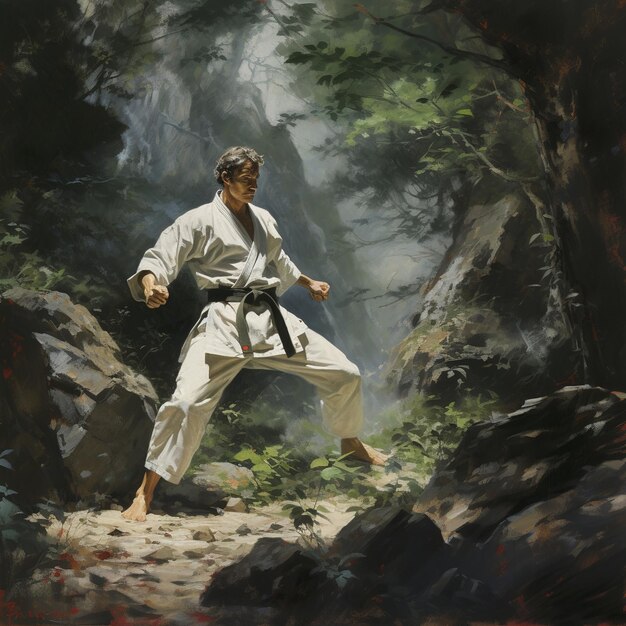
The Role of Kata in Karate: Building Strength and Focus

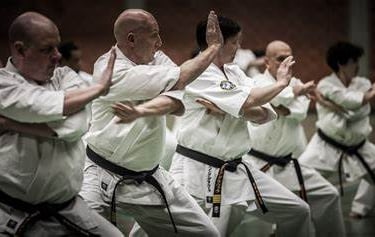
Kata is a cornerstone of karate, blending precise movements, rhythm, and philosophy into a choreographed routine. Beyond its aesthetic appeal, kata plays a crucial role in developing a karateka’s strength, precision, and mental focus. This article explores the significance of kata, its variations across karate styles, and how it helps practitioners achieve mastery.

Kata (型 or 形) translates to "form" or "pattern" in Japanese. It is a sequence of pre-arranged movements performed against imaginary opponents, encompassing offensive and defensive techniques. Each kata tells a story, embodying the principles and philosophies of the style it represents.

Gichin Funakoshi, the founder of Shotokan karate, described kata as:
"Kata is the essence of karate. Through its practice, one discovers the art's spirit."

Practicing kata requires controlled and deliberate movements that engage multiple muscle groups. This helps in:

  • Muscle Development: The repeated execution of stances like zenkutsu-dachi (front stance) or kiba-dachi (horse stance) strengthens the legs, core, and back.

  • Explosive Power: Dynamic techniques such as kicks (geri) and strikes (tsuki) build fast-twitch muscle fibers.

  • Stamina: Kata involves continuous motion, which improves cardiovascular endurance and overall stamina.

Kata focuses on perfecting basic techniques (kihon), such as punches, blocks, and kicks, by embedding them into fluid sequences. Key benefits include:

  • Accuracy: Precise execution of techniques ensures effectiveness in real combat situations.

  • Balance and Coordination: Transitions between stances refine balance and coordination, vital for fluid movement.

          Kata is not just physical—it demands mental engagement. Practicing kata sharpens:

  • Concentration: Memorizing and executing complex sequences requires intense focus.

  • Discipline: The repetitive nature of kata instills patience and perseverance.

  • Mindfulness: Kata embodies the principle of zanshin (awareness), teaching practitioners to remain present and aware of their surroundings.

While the essence of kata remains the same, its interpretation and execution vary across styles.

1. Shotokan Kata

  • Features: Shotokan katas emphasize long, deep stances and linear movements. They are performed with a focus on power and precision.

  • Examples: Heian Shodan (beginner level) and Kanku Dai (advanced).

  • Philosophy: Reflects discipline and the importance of fundamentals.

2. Goju-Ryu Kata

  • Features: Combines hard (go) and soft (ju) techniques, with an emphasis on breathing and circular movements.

  • Examples: Sanchin (breathing and tension) and Seisan (13 positions).

  • Philosophy: Balances physical power with spiritual harmony.

3. Kyokushin Kata

  • Features: Kyokushin katas are practical and focus on application in combat, often with explosive energy.

  • Examples: Pinan (beginner forms) and Sushiho (advanced).

  • Philosophy: Reflects the spirit of perseverance and real-world application.

4. Wado-Ryu Kata

  • Features: Wado-Ryu incorporates fluid, evasive movements from Jujutsu, focusing on agility and blending techniques.

  • Examples: Pinan Godan and Chinto.

  • Philosophy: Highlights the importance of harmony and evasion over direct confrontation.

Kata bridges the gap between the physical and mental aspects of karate. Through synchronized movements and breathing, practitioners develop:

  • Kime (Focus and Power): The ability to channel energy into a single, decisive movement.

  • Rhythm: Kata teaches practitioners to flow seamlessly from one technique to the next, maintaining control.

  • Self-Reflection: Repeating kata allows karatekas to analyze their strengths and weaknesses, promoting self-improvement.

Kata for All Levels: Beginner to Master

Kata practice evolves as practitioners progress:

  • Beginners: Focus on learning basic stances and movements through simpler katas like Heian Shodan.

  • Intermediate: Incorporate advanced techniques, speed, and power in katas like Bassai Dai.

  • Advanced: Master complex sequences and interpret their practical applications (bunkai) in katas like Unsu or Suparinpei.

Kata is more than a series of movements—it is the essence of karate, embodying its techniques, philosophy, and spirit. By practicing kata, karatekas strengthen their bodies, sharpen their minds, and deepen their connection to the art’s rich heritage.

As the Okinawan saying goes:
"Kata wa karate no inochi de aru" (型は空手の命である) – Kata is the soul of karate.

Whether you're a beginner or a master, the journey through kata is a lifelong path of growth, discipline, and discovery.

RealSports is powered by experts in fitness, nutrition, and combat sports. With experience in kickboxing, bodybuilding, wrestling, and powerlifting, we deliver practical, science-backed advice and trusted product recommendations. Our mission is simple: help athletes and everyday people train smarter, recover faster, and perform at their absolute best.

Disclaimer: The information provided on this website has been carefully researched and tailored to meet the specific needs of the topics discussed. All content has been derived from credible online sources and studied thoroughly to ensure accuracy and relevance. No part of this content has been intentionally copied or plagiarized for the purpose of gaining traffic or misleading readers. We are committed to providing original, well-researched material that adds value to our audience's understanding of the subject matter.


twitter handle on realsports.site
facebook link for realsports.sitefacebook link for realsports.site

Feel Free to Connect. Be a bigger part of our community. Or DM your HEALTH/ FITNESS issue for the best REAL solution. No Gimmick. Committed to Serve.

Combat Sports / Kickboxing Articles

Reviewed by Marcus Bennett — Kickboxing & Combat Sports Specialist

Technique reviewed by Dr. Marcus Bennett — Sports Science & Kickboxing Expert

Website managed by Tahraj — Nutrition and Health Expert.