an abstract photo of a curved building with a blue sky in the background

Kung Fu

4000 + years of martial arts evolution

"The Art and Legacy of Kung Fu: Origins, Philosophy, and Global Impact"

Kung Fu, one of the oldest and most revered martial arts in the world, originates from ancient China, where it was developed as a system of self-defense, discipline, and spiritual growth. With its roots tracing back over 4,000 years, Kung Fu is not just a fighting style but a profound expression of Chinese culture, philosophy, and tradition.

Origins of Kung Fu

Kung Fu’s beginnings are intertwined with the history of ancient Chinese dynasties. It is believed to have been influenced by the teachings of Buddhist monks, particularly those at the legendary Shaolin Temple. The monks developed Kung Fu techniques to improve physical strength, agility, and focus, helping them endure long meditation sessions and defend the temple from invaders. These techniques later evolved into a structured system of martial arts, emphasizing physical mastery and inner harmony.

Philosophy and Principles

At its core, Kung Fu is deeply rooted in Chinese philosophy, particularly Confucianism, Taoism, and Buddhism. The martial art teaches balance, patience, and respect, promoting harmony between the mind, body, and spirit. Kung Fu emphasizes adaptability, using an opponent's strength against them, and mastering the flow of energy (Qi) through precise movements and breathing techniques.

Styles of Kung Fu

Kung Fu is not a singular style but a collective term for hundreds of techniques and forms.

Shaolin Kung Fu: Known for its dynamic kicks, jumps, and acrobatics, it is the most famous style.

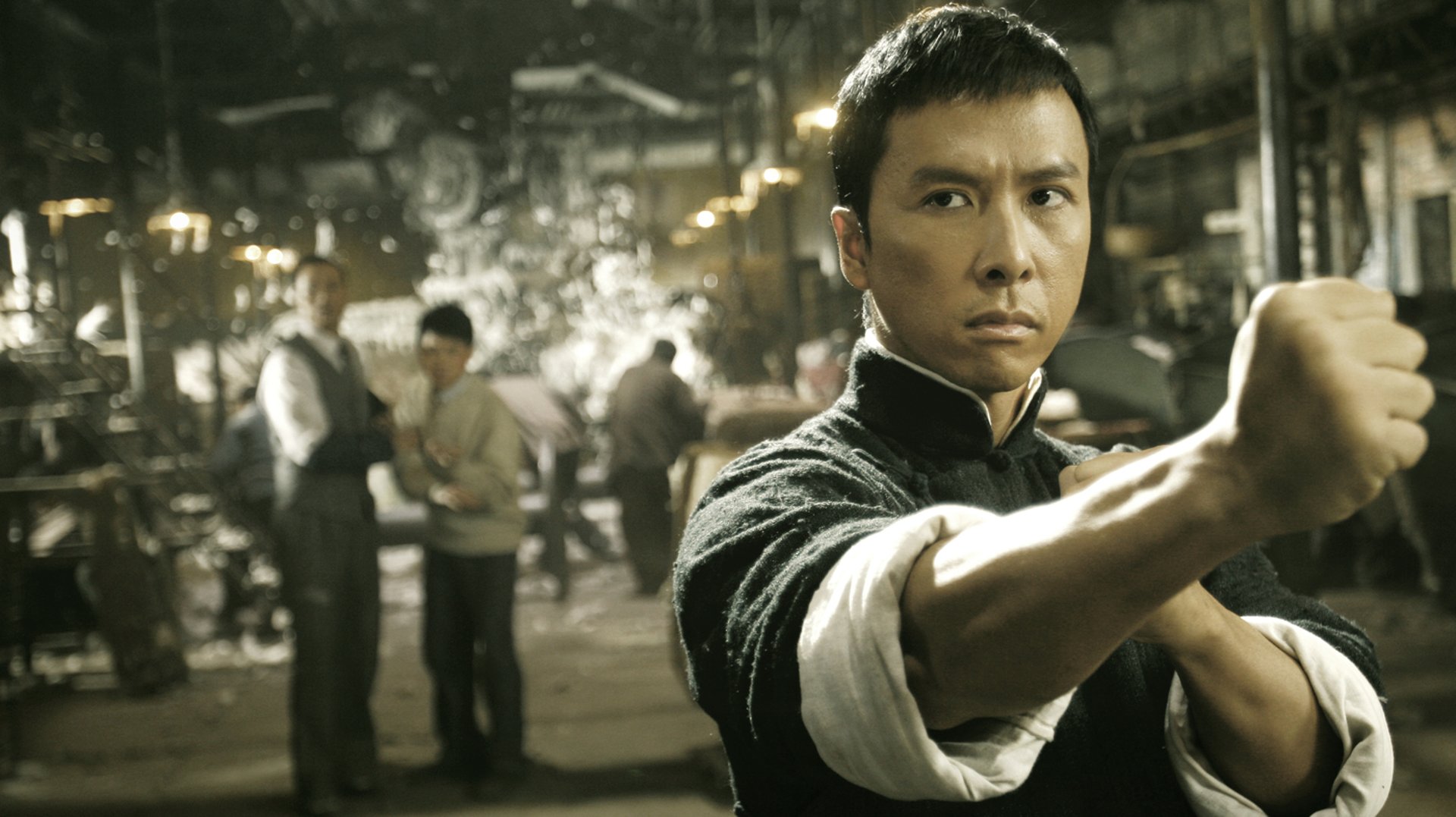
Wing Chun: Focused on close-range combat, speed, and efficiency, it was made famous by Bruce Lee’s teachings.

Tai Chi: A graceful and meditative form of Kung Fu that emphasizes slow, flowing movements for health and balance.

Animal Styles: Inspired by the movements of animals, such as the Tiger, Crane, Snake, and Dragon, these styles mimic their strength, agility, and precision.

Global Impact of Kung Fu

Kung Fu gained international recognition in the 20th century, thanks to iconic practitioners like Bruce Lee, Jackie Chan, and Jet Li, who showcased its beauty and effectiveness in films. Today, Kung Fu is practiced worldwide, not only as a martial art but also as a means of fitness, meditation, and self-expression.

Modern Kung Fu Training

Kung Fu schools (Wushu academies) have emerged globally, teaching traditional techniques while integrating modern training methods. Competitions and exhibitions have further popularized Kung Fu, making it accessible to martial arts enthusiasts across different cultures.

Shaolin Kung Fu: The Origin of Legendary Martial Arts

Shaolin Kung Fu, often called the heart of Chinese martial arts, originated over 1,500 years ago at the Shaolin Temple in Henan Province, China. Developed by Buddhist monks, it combines physical combat techniques with spiritual and meditative practices. Known for its dynamic movements, acrobatics, and powerful strikes, Shaolin Kung Fu emphasizes discipline, strength, and mental focus.

Key Features

  • Dynamic Techniques: Includes punches, kicks, and complex acrobatics.

  • Forms: Hundreds of intricate routines such as "The Five Animals" that reflect Shaolin's connection to nature.

  • Philosophy: Rooted in Zen Buddhism, promoting harmony between the body and mind.

Shaolin Kung Fu remains a global symbol of martial arts excellence, with its practitioners performing in competitions and cultural showcases worldwide.

Wing Chun: The Science of Close-Range Combat

Wing Chun, a traditional Chinese martial art, is renowned for its practical approach to combat. Developed in Southern China, Wing Chun emphasizes efficiency, speed, and precision, making it ideal for self-defense.

Key Features

  • Centerline Theory: Focuses on protecting the body’s central line while attacking an opponent's vulnerabilities.

  • Sticky Hands (Chi Sao): A unique training technique to develop reflexes and sensitivity to an opponent's movements.

  • Compact Movements: Direct and efficient, with no wasted motion.

Famous practitioners like Bruce Lee brought Wing Chun to global attention, integrating its principles into his own martial philosophy, Jeet Kune Do. Wing Chun is now practiced in over 60 countries and continues to influence modern combat sports.

Animal Styles: Nature-Inspired Combat

Animal Styles of Kung Fu draw inspiration from the movements, strategies, and instincts of animals. Developed in ancient China, these styles mimic animals like the Tiger, Crane, Snake, Dragon, and Monkey, blending their traits into unique combat forms.

Key Animal Styles

  • Tiger Style: Focuses on strength and aggressive strikes, mimicking a tiger’s ferocity.

  • Crane Style: Emphasizes balance, precision, and long-range attacks, reflecting a crane's elegance.

  • Snake Style: Uses fluid, coiling movements with an emphasis on striking pressure points.

  • Dragon Style: Combines power and flexibility with a focus on inner strength and energy (Qi).

  • Monkey Style: Playful yet deceptive, utilizing unpredictable and agile movements.

Animal Styles are not just martial techniques but also embody philosophical lessons, teaching practitioners adaptability and resilience.

Wushu: Modern Chinese Martial Arts for Performance

Wushu, meaning "martial arts" in Chinese, is a contemporary form of Kung Fu that blends traditional techniques with artistic performance. Created in the 1950s, Wushu was designed as a sport to preserve China’s martial heritage while showcasing it to the world.

Key Features

  • Forms (Taolu): Choreographed routines that combine acrobatics, flexibility, and martial techniques.

  • Combat (Sanda): A competitive fighting sport similar to kickboxing, incorporating Kung Fu’s striking and grappling techniques.

  • Global Popularity: Recognized as a demonstration sport in international competitions like the Olympics.

Wushu has evolved into a global phenomenon, attracting athletes and martial artists for its blend of athleticism, discipline, and artistic expression.

The Impact of Kung Fu on Hollywood: From Bruce Lee to Global Stardom

Kung Fu has left an indelible mark on Hollywood, revolutionizing the way martial arts are portrayed in cinema and influencing global pop culture. With its combination of elegant choreography, philosophical depth, and breathtaking action sequences, Kung Fu has become a cornerstone of action filmmaking. The journey began with Bruce Lee, whose dynamic performances reshaped Hollywood’s perception of martial arts, and continues today through a host of legendary actors and iconic films.

Bruce Lee: The Pioneer of Kung Fu in Hollywood

Bruce Lee, often hailed as the father of modern martial arts cinema, brought Kung Fu to the global stage with his groundbreaking movies in the 1970s. His combination of martial arts prowess, charisma, and philosophy transformed him into a cultural icon.

Key Contributions

  1. Movies That Defined a Genre:

    • Enter the Dragon (1973): One of the first Kung Fu movies to achieve international acclaim, setting the standard for martial arts films.

    • The Way of the Dragon (1972): Featuring the legendary fight between Bruce Lee and Chuck Norris in the Colosseum.

  2. Philosophical Depth:
    Bruce Lee’s films emphasized the spiritual and philosophical elements of Kung Fu, showcasing its depth beyond physical combat.

  3. Legacy in Hollywood:
    Lee inspired generations of filmmakers and actors, making martial arts a staple in action cinema. His untimely death at 32 only cemented his status as a legend.

Hollywood Stars Influenced by Kung Fu

  1. Jackie Chan:
    Jackie Chan blended Kung Fu with humor and acrobatics, creating a unique style that captured audiences worldwide. His Hollywood hits like Rush Hour and Shanghai Noon showcased his mastery of Kung Fu and made martial arts more accessible to Western audiences.

  2. Jet Li:
    A Wushu champion, Jet Li brought a more serious tone to Kung Fu in Hollywood. Films like Lethal Weapon 4, Romeo Must Die, and The Forbidden Kingdom highlighted his technical precision and acting prowess.

  3. Donnie Yen:
    Known for his role in Ip Man, Donnie Yen introduced Wing Chun, a Kung Fu style, to global audiences. His performances in Rogue One: A Star Wars Story and John Wick: Chapter 4 brought Kung Fu into mainstream action cinema.

  4. Michelle Yeoh:
    Michelle Yeoh showcased Kung Fu’s grace and power in films like Crouching Tiger, Hidden Dragon and Everything Everywhere All At Once, becoming a global ambassador for martial arts.

Kung Fu’s Influence on Hollywood Movies

Kung Fu’s influence extends beyond individual actors, shaping entire genres and film techniques.

  1. Kung Fu as Cinematic Art
    Hollywood embraced Kung Fu’s intricate choreography, creating visually stunning fight sequences that became a hallmark of action films. Movies like The Matrix and Kill Bill incorporated Kung Fu-inspired combat, redefining the action genre.

  2. Cultural Integration
    Kung Fu films brought Eastern philosophies to Western audiences, blending martial arts with themes of honor, discipline, and perseverance.

  3. Blockbusters and Franchises

    • The Kung Fu Panda series brought Kung Fu to family audiences, blending humor with authentic martial arts techniques.

    • Marvel's Shang-Chi and the Legend of the Ten Rings celebrated Kung Fu's heritage, bringing its rich history into the superhero genre.

Kung Fu’s Ongoing Legacy in Hollywood

Kung Fu continues to inspire Hollywood, shaping the careers of new actors and influencing storytelling. With its unique blend of artistry, philosophy, and action, Kung Fu has transcended cultural boundaries, becoming a universal symbol of strength and resilience.

#KungFu #ShaolinKungFu #ChineseMartialArts #WingChun #Wushu #MartialArts #KungFuTraining #KungFuFighter #KungFuMovies #KungFuLegends #BruceLee
#JackieChan #JetLi #KungFuTechniques #KungFuPhilosophy #KungFuMasters #KungFuHistory #KungFuFitness #KungFuCulture #TraditionalMartialArts #ShaolinTemple #KungFuSpirit #KungFuWarrior #KungFuSkills #KungFuLifestyle #KungFuWorld #LearnKungFu #KungFuTournaments #KungFuFans #KungFuInfluence

#功夫 (Kung Fu), #武术 (Martial Arts), #功夫训练 (Kung Fu Training), #中国武术 (Chinese Martial Arts), #功夫大师 (Kung Fu Master), #自卫术 (Self-Defense Skills), #功夫生活 (Kung Fu Life), #武术技巧 (Martial Arts Skills), #功夫文化 (Kung Fu Culture), and #传统功夫 (Traditional Kung Fu)

Shaolin Temple Tourism: Exploring the Heart of Kung Fu and Chinese Culture

The Shaolin Temple, located in Dengfeng, Henan Province, China, is not just a historical landmark but also the birthplace of Shaolin Kung Fu and Zen Buddhism. Recognized as a UNESCO World Heritage Site, the temple attracts millions of tourists, martial arts enthusiasts, and spiritual seekers every year. Shaolin Temple tourism offers a unique experience, blending cultural heritage, martial arts, and spiritual enlightenment in an awe-inspiring natural setting.

The Rich History of Shaolin Temple

Established in 495 AD during the Northern Wei Dynasty, the Shaolin Temple has been a beacon of Buddhist teachings and martial arts for over 1,500 years. Its association with Bodhidharma, the Indian monk who introduced Zen Buddhism to China, and its legendary warrior monks have solidified its place in global history.

What Makes Shaolin Temple a Top Tourist Destination?

  1. Authentic Shaolin Kung Fu Demonstrations
    Visitors can witness live performances by the temple’s warrior monks, showcasing their extraordinary mastery of Shaolin Kung Fu techniques, including animal forms, staff fighting, and acrobatics.

  2. Cultural and Spiritual Significance

    Explore ancient halls adorned with intricate carvings and statues that reflect the fusion of Zen Buddhism and Chinese architecture.

    Engage in meditation sessions and learn the basics of Zen philosophy.

  3. Picturesque Natural Surroundings
    The temple is nestled at the foot of the Songshan Mountains, offering breathtaking landscapes perfect for hiking and photography. The serene environment enhances the spiritual aura of the site.

  4. Shaolin Kung Fu Schools

    Many visitors enroll in short-term or long-term training programs at nearby martial arts schools to learn authentic Shaolin Kung Fu.

    These programs attract martial artists and beginners from all over the world.

  5. Cultural Festivals

    The annual Shaolin Martial Arts Festival showcases Kung Fu competitions, cultural performances, and exhibitions, providing an immersive experience for tourists.

Impact of Shaolin Temple Tourism

Tourism at the Shaolin Temple plays a crucial role in preserving its cultural heritage and supporting the local economy. Revenue from tourism funds the maintenance of the temple and its programs, ensuring that the legacy of Shaolin Kung Fu and Zen Buddhism endures for future generations.

RealSports is powered by experts in fitness, nutrition, and combat sports. With experience in kickboxing, bodybuilding, wrestling, and powerlifting, we deliver practical, science-backed advice and trusted product recommendations. Our mission is simple: help athletes and everyday people train smarter, recover faster, and perform at their absolute best.

Disclaimer: The information provided on this website has been carefully researched and tailored to meet the specific needs of the topics discussed. All content has been derived from credible online sources and studied thoroughly to ensure accuracy and relevance. No part of this content has been intentionally copied or plagiarized for the purpose of gaining traffic or misleading readers. We are committed to providing original, well-researched material that adds value to our audience's understanding of the subject matter.


"If you want custom-made content for your website regarding sports, fitness, health, and nutrition tailored to your needs for your website or social media promotion, feel free to contact me. Let's work together to create high-quality content that resonates with your audience and enhances your online presence."

realcombatsport@gmail.com